


 简体中文
简体中文
Hydroxyethyl cellulose (HEC) is used in paint primarily as a rheology modifier and thickener—it controls viscosity, prevents pigment settling, improves leveling, and stabilizes emulsion systems across water-based formulations including latex paint, acrylic coating, emulsion paint, and waterproof coating. In practical terms, HEC is the ingredient responsible for that smooth, non-drip, evenly flowing consistency that professional-grade paints deliver on walls, ceilings, and exterior surfaces.
As global demand for water-based coatings continues to grow—driven by environmental regulations restricting solvent-borne systems—HEC for water based coating has become one of the most technically significant cellulose ether additives in the coatings industry. This guide covers everything formulators, procurement managers, and coating technologists need to know: the chemistry, functional roles, dosage guidelines, application-specific grades, comparisons with alternative thickeners, and what to look for when selecting an HEC manufacturer or HEC supplier.
What Is Hydroxyethyl Cellulose (HEC) and How Does It Work in Paint?
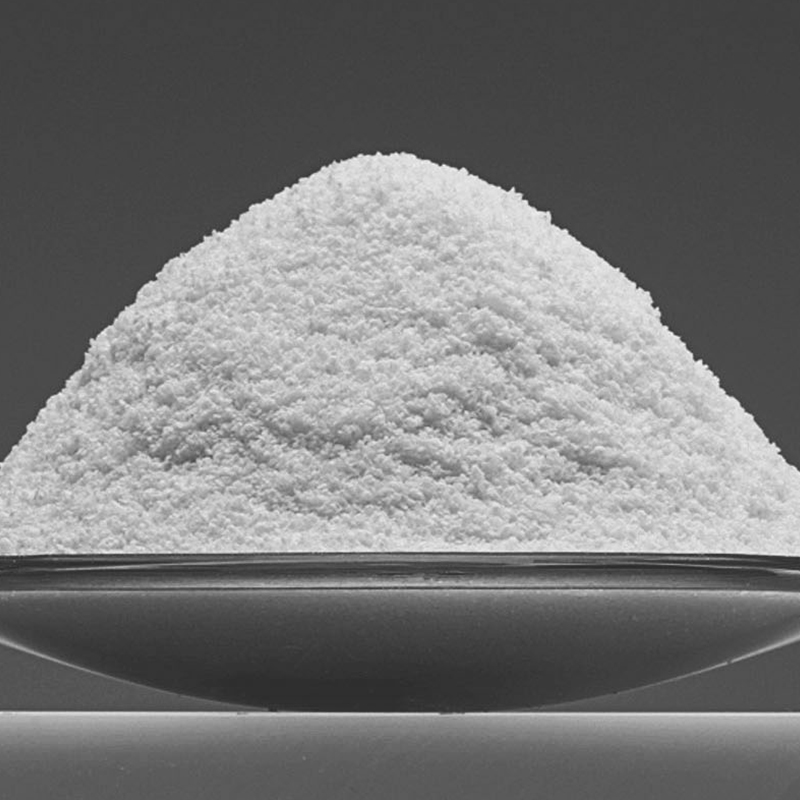
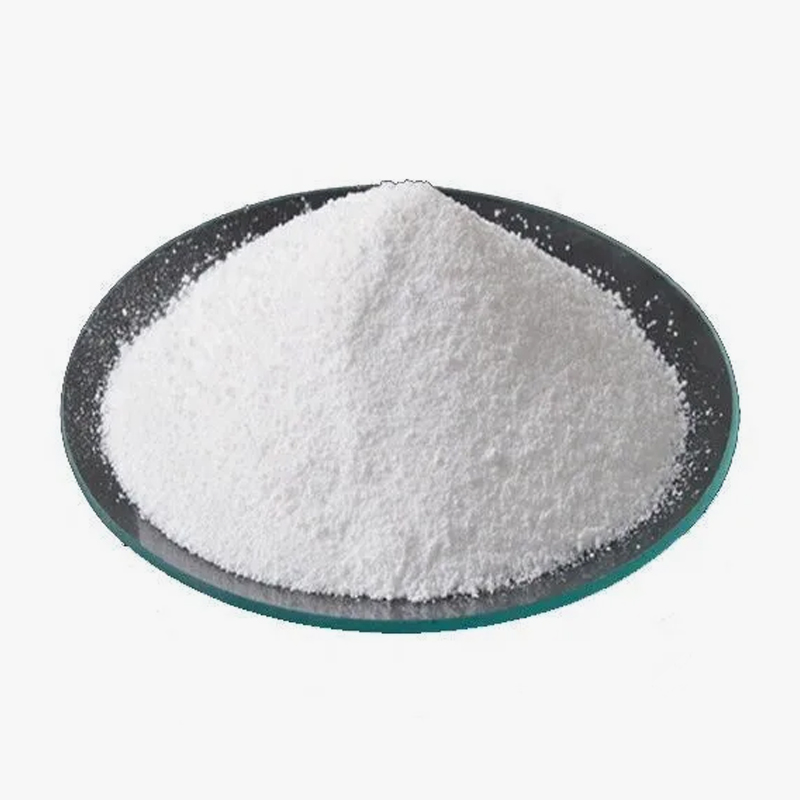
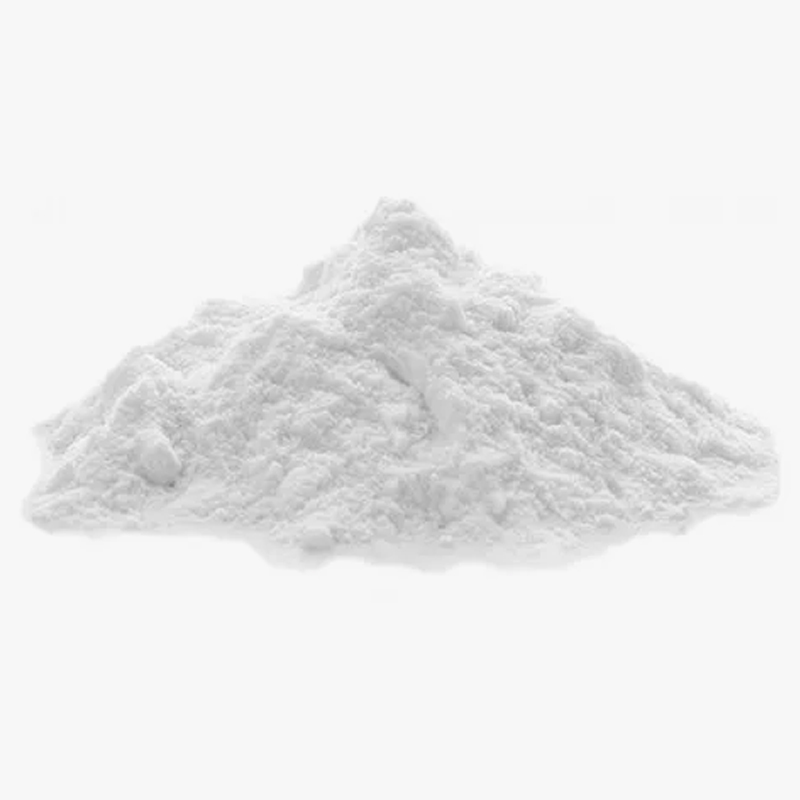
Hydroxyethyl cellulose is a non-ionic, water-soluble cellulose ether produced by reacting alkali cellulose with ethylene oxide. The degree of substitution—measured as the Molar Substitution (MS) value, typically between 1.5 and 2.5—determines the product's solubility profile, solution clarity, and compatibility with electrolytes. Unlike ionic thickeners, HEC's non-ionic character makes it broadly compatible with cationic, anionic, and amphoteric surfactants used in paint formulations without triggering precipitation or viscosity instability.
In aqueous solution, HEC polymer chains become hydrated and entangle, forming a three-dimensional network that resists flow. This network is pseudoplastic (shear-thinning): under low shear (storage on a shelf), the paint maintains high viscosity so pigments stay suspended. Under high shear (brush stroke, roller application), viscosity drops dramatically, allowing smooth, easy application. When shear is removed, viscosity recovers rapidly, preventing sagging and dripping on vertical surfaces. This combination of behaviors—high low-shear viscosity, low high-shear viscosity, fast recovery—is precisely what HEC for latex paint and HEC for acrylic coating formulators require.
The Chemistry Behind HEC Thickening
The thickening mechanism operates through two pathways simultaneously. First, hydrodynamic volume: each dissolved HEC polymer chain occupies a significant swept volume in solution, contributing to bulk viscosity even at low concentrations (0.1–0.5% w/w in many coating systems). Second, chain entanglement: above a critical concentration, polymer chains physically overlap and interlock, creating a gel-like network whose strength scales strongly with molecular weight. This is why high-viscosity grades of HEC (100,000–200,000 mPa·s at 2% solution) are preferred for architectural paints requiring good sag resistance, while medium-viscosity grades suit lower-build industrial coatings where flow and leveling are prioritized over sag control.
HEC Viscosity vs Shear Rate: Pseudoplastic (Shear-Thinning) Behavior
This chart illustrates the pseudoplastic (shear-thinning) flow behavior that makes HEC uniquely valuable in paint formulations. At very low shear rates—representing paint sitting in a can or on a vertical wall surface between brush strokes—HEC maintains high viscosity, preventing pigment settling and sagging. As shear rate increases during brush or roller application, viscosity drops by one to two orders of magnitude, allowing smooth, effortless spreading without resistance. When application stops, viscosity recovers rapidly, holding the applied film in place before it dries. This dynamic behavior profile cannot be replicated by simple Newtonian thickeners like some inorganic clays at the same use level.
Six Key Functions HEC Performs in Paint Formulations
Understanding each functional role of HEC for coating allows formulators to use it strategically rather than simply as a viscosity number target. The following six functions are well-documented across coating science literature and practical industrial application.
1. Viscosity Control and Thickening
This is HEC's primary role. By dissolving HEC at concentrations typically between 0.1% and 0.8% by weight of the total formulation, formulators can achieve target Stormer viscosities (KU values) of 90–130 KU for standard interior wall paint, or higher for textured and masonry coatings. The molecular weight grade selected—light (20,000–50,000 mPa·s at 2%), medium (50,000–100,000 mPa·s), or heavy (100,000–200,000 mPa·s)—determines the dose required for a given viscosity target. Heavier grades achieve the same KU target at lower addition levels, reducing material cost per liter of paint.
2. Pigment Suspension and Anti-Settling
Titanium dioxide (TiO₂), calcium carbonate, and other heavy pigments in architectural paint have densities of 3.5–4.2 g/cm³ versus water at 1.0 g/cm³. Without a thickener, these pigments sediment rapidly. HEC's high low-shear viscosity raises the apparent yield point of the system, dramatically slowing or halting settling. In standard latex paint at 90 KU, a properly dosed industrial HEC grade will maintain pigment suspension for 12+ months without hard cake formation, enabling shelf stability suitable for retail distribution.
3. Film Leveling and Application Quality
After application, the paint film must flow enough to eliminate brush marks and roller stipple before the film gels. HEC's pseudoplastic behavior supports this: at the very low shear rates present during film relaxation (Marangoni flow, gravity-driven leveling), viscosity is high enough to prevent sagging on vertical surfaces but low enough to allow surface tension-driven flow that smooths irregularities. Research published in Progress in Organic Coatings (Vol. 85, 2015) demonstrated that optimized HEC grades in acrylic emulsion paints reduced 60° gloss variation due to leveling defects by up to 22% compared to HEUR thickener systems at matched viscosity profiles.
4. Water Retention During Application
When paint is applied to porous substrates—concrete, plaster, drywall, or absorbent masonry—the substrate tends to draw water out of the film rapidly, leading to incomplete film formation and poor adhesion. HEC binds a portion of the free water in the paint system through hydrogen bonding, slowing water migration into the substrate and giving the polymer binder sufficient time to coalesce properly. This water retention function is particularly critical for HEC for exterior wall paint applied over porous render or concrete block in warm, dry conditions, where rapid water loss is most problematic.
5. Emulsion Stabilization
Latex paints are complex emulsions where polymer particles are dispersed in water. HEC acts as a protective colloid, adsorbing onto particle surfaces and creating steric barriers that prevent coalescence during storage and freeze-thaw cycling. For HEC for emulsion paint applications, this stabilizing function reduces the required loading of synthetic surfactants, which in turn improves the final film's water resistance and reduces foaming tendency—a common side effect of high surfactant levels.
6. Open Time Extension
"Open time" refers to the window during which freshly applied paint can be reworked—edges blended, lap marks eliminated, and corrections made. HEC's water-binding capacity slows the evaporation rate of the aqueous phase, extending open time by 15–40% depending on ambient conditions and HEC grade, compared to equivalent viscosity systems using associative thickeners. This benefit is especially valued by professional decorators working on large wall areas where maintaining a wet edge is essential for uniform finish quality.
HEC Functional Performance in Water-Based Paint (Score out of 100)
This horizontal bar chart ranks HEC's six principal functional contributions to water-based paint performance, scored by relative effectiveness based on published coating science data and industrial formulation practice. Viscosity control and pigment suspension score highest because these are the most direct, chemically driven effects of HEC dissolution in aqueous systems. Water retention and open time extension are strong secondary contributions that significantly affect application quality and professional finish outcomes. Emulsion stabilization and film leveling, while genuine benefits, are more dependent on system-specific interactions with other formulation components such as surfactant type, binder Tg, and co-solvent level.
HEC Application in Specific Paint and Coating Types
The same HEC chemistry manifests differently depending on the coating system it is formulated into. Understanding how HEC for coating performs across different paint types helps formulators select the right grade and optimize dosage for each application.
HEC for Latex Paint and Interior Wall Paint
Interior latex and emulsion paints represent the highest-volume application for HEC for latex paint. Typical formulations use HEC at 0.2–0.5% active content to achieve a Stormer viscosity of 90–120 KU and an ICI viscosity of 0.8–1.5 Pa·s. High-viscosity HEC grades (100,000–200,000 mPa·s) are preferred for flat and eggshell sheens where sag resistance is critical. Medium-viscosity grades suit semi-gloss formulations where enhanced leveling is prioritized. HEC is typically added to the water phase at the start of the grinding stage, dissolved at 50–60°C for faster hydration, then cooled before addition of pH-sensitive components.
HEC for Exterior Wall Paint and Masonry Coatings
Exterior formulations demand higher loading of HEC—typically 0.3–0.8%—because thicker film builds, rougher substrate profiles, and resistance to washout during outdoor application all require elevated viscosity. HEC for wall paint in exterior systems must also demonstrate UV stability of the HEC-thickened film over time; being non-chromophoric, HEC does not absorb UV radiation and does not contribute to film yellowing, a significant advantage over some synthetic thickeners. For elastomeric masonry coatings applied at film builds of 150–300 µm, high-molecular-weight HEC grades provide the structural viscosity needed to keep thick films in place without slump.
HEC for Acrylic Coating Systems
HEC for acrylic coating is technically straightforward because HEC is non-ionic and therefore compatible with virtually all acrylic emulsion types across the pH range of 7–9 where most acrylic coatings are formulated. In high-gloss acrylic systems, the challenge is balancing viscosity (to control application) with clarity (HEC in solution is clear at low concentrations, but improperly dissolved HEC can introduce haze). Properly dispersed HEC using a delayed-action solubility modifier (such as glyoxal treatment, common in commercial grades) ensures lump-free dissolution even when added to cold water without pre-heating.
HEC for Waterproof Coating
In HEC for waterproof coating—including acrylic waterproofing membranes, roof coatings, and damp-proof formulations—HEC contributes to three critical performance areas: it thickens the liquid membrane for application at high film builds without sag; it improves water retention on porous concrete and cementitious substrates to support complete film formation; and it stabilizes the emulsion system against the electrolyte shock common when applying waterproof coatings over cementitious or lime-containing substrates. The non-ionic character of HEC means it resists the divalent cation (Ca²⁺, Mg²⁺) effects that destabilize anionic thickeners on these substrates.
| Paint Type | HEC Viscosity Grade (2% sol.) | Typical Dosage (%) | Target KU / ICI | Key Benefit |
|---|---|---|---|---|
| Interior latex flat | 100,000–200,000 | 0.2–0.4 | 95–120 KU / 0.8–1.2 | Sag resistance, shelf life |
| Semi-gloss acrylic | 50,000–100,000 | 0.15–0.35 | 90–110 KU / 1.0–1.5 | Leveling, gloss uniformity |
| Exterior masonry | 100,000–200,000 | 0.3–0.8 | 110–130 KU / 1.2–2.0 | Water retention, sag control |
| Waterproof membrane | 150,000–300,000 | 0.4–1.0 | 130–160 KU / 2.0–4.0 | Film build, electrolyte tolerance |
| Roof coating | 100,000–200,000 | 0.3–0.6 | 120–150 KU / 1.5–3.0 | Thick film, UV stability |
HEC vs HPMC vs HEUR: Choosing the Right Thickener for Your Paint
Formulators selecting a thickener for water-based paint often compare HEC against two other common options: HPMC (hydroxypropyl methylcellulose) and HEUR (hydrophobically modified ethylene-oxide urethane) associative thickeners. Each has a distinct performance profile, and the right choice depends on the specific application, performance priorities, and cost targets.
Thickener Comparison: HEC vs HPMC vs HEUR (Radar)
This radar chart maps three thickener technologies across six performance dimensions critical to paint formulation. HEC and HPMC show very similar profiles overall—both are cellulose ethers providing strong low-shear viscosity, excellent water retention, and robust sag resistance—but HPMC's methyl substitution gives it slightly better solubility at elevated temperatures and marginally improved film formation in certain systems. HEUR associative thickeners excel at gloss enhancement and leveling because their hydrophobic chains associate with both binder particles and surfactant micelles, creating a network that tightens at low shear while releasing more readily at high shear. However, HEUR thickeners are significantly more sensitive to surfactant type, pH, and formulation changes, requiring careful rebalancing when any raw material is changed. HEC's robustness, wide compatibility, and non-ionic character make it the default choice for cost-effective architectural paints, while HEUR blends are more common in premium decorative coatings.
When to Blend HEC with Associative Thickeners
In many high-performance architectural paint formulations, HEC and HEUR are used together in a dual-thickener system. HEC handles the low-shear viscosity and pigment suspension requirements, while HEUR contributes gloss, leveling, and a tighter film surface at intermediate shear rates. Typical split ratios are 60–80% of the total thickener contribution from HEC and 20–40% from HEUR. This approach achieves a rheology profile that neither thickener alone can deliver as cost-effectively, and it also reduces the total cost per liter of paint compared to using HEUR as the sole thickener.
HEC Dosage, Dissolution Method, and Practical Formulation Tips
Getting the maximum performance from HEC for paint requires attention to dissolution procedure, addition sequence, and interaction management. Errors at the dissolution stage are a primary source of formulation inconsistency and production downtime in paint manufacturing.
Recommended Dissolution Procedure
- Pre-disperse HEC powder into water at a maximum temperature of 25°C with slow agitation to wet all particles before full dissolution begins. For delayed-action (glyoxal-treated) grades, the powder can be added directly to cold water without lumping.
- Increase temperature to 50–60°C (optional for non-treated grades) and maintain agitation for 30–45 minutes until a clear, lump-free solution is obtained. Viscosity builds progressively during this period.
- Adjust pH to 8.0–9.5 using ammonia, AMP-95, or sodium hydroxide. HEC solution viscosity is stable between pH 5 and pH 10, but optimal performance in latex paint systems is achieved at slightly alkaline pH.
- Add the HEC solution to the grinding stage before pigments and fillers are introduced. This ensures even distribution throughout the pigment dispersion and prevents dry powder agglomeration.
- Avoid adding biocides simultaneously with HEC, as certain isothiazolinone-based preservatives can cross-react with cellulose ether chains at high temperature, reducing solution viscosity. Add biocides after the system has cooled below 30°C.
HEC Viscosity Build During Dissolution at 25°C and 55°C
This line chart compares the viscosity build-up rate of HEC at two dissolution temperatures. At 55°C, HEC reaches approximately 80% of its final viscosity within just 20 minutes, making elevated-temperature dissolution the preferred method for high-throughput paint manufacturing where batch cycle times are critical. At 25°C, the same HEC grade requires 45–60 minutes to reach full viscosity development, which is acceptable for small-batch operations or where heating capability is unavailable. Importantly, the final viscosity achieved is essentially equivalent at both temperatures—temperature affects only the rate of dissolution, not the ultimate performance of the dissolved polymer. Paint manufacturers should factor dissolution time into their batch scheduling to avoid premature addition of HEC solutions that have not yet reached target viscosity.
Common Formulation Pitfalls and How to Avoid Them
- Lumping during addition: Add HEC powder slowly into the vortex of an agitated water phase. Never add all powder at once or into stagnant water.
- Microbial degradation: HEC solutions are excellent growth media for bacteria and fungi. Always add an appropriate in-can preservative and use HEC solutions within 24–48 hours unless refrigerated.
- Viscosity loss over time: Cellulases produced by microbial contamination can degrade HEC chains, causing viscosity drop. This is prevented by adequate biocide loading, not by increasing HEC dosage.
- Incompatibility with high-salt systems: While HEC is more salt-tolerant than most ionic thickeners, very high electrolyte concentrations (above 5% NaCl equivalent) can cause salting-out and viscosity collapse. Test compatibility early in formulation development.
Sourcing HEC: What to Evaluate in a Manufacturer or Supplier
For coating formulators and procurement teams sourcing industrial HEC at scale, the manufacturer's production capability, quality consistency, and technical support capacity are as important as the product specification itself. An OEM HEC supplier relationship that includes technical collaboration on formulation optimization provides significantly more value than a transactional commodity supply arrangement.
Key evaluation criteria when selecting an HEC manufacturer or hydroxyethyl cellulose manufacturer include: documented viscosity consistency (batch-to-batch CV below 5% at the same concentration and temperature), particle size distribution (affecting dissolution speed and lump risk), moisture content control (typically below 5% for powder grades), heavy metal compliance (EU REACH, RoHS where applicable), and the availability of application-specific technical datasheets and formulation assistance.
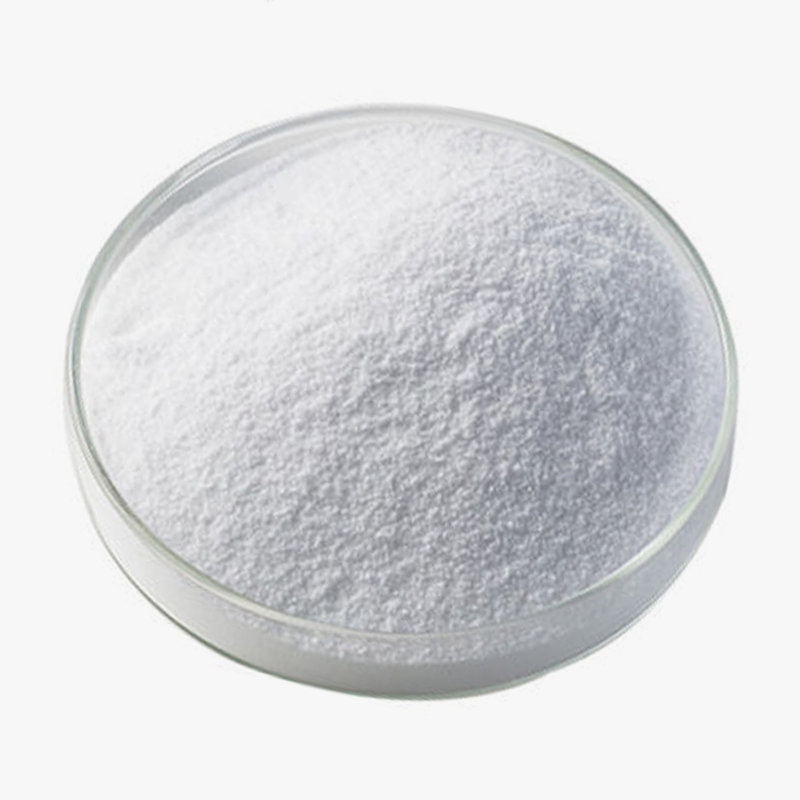
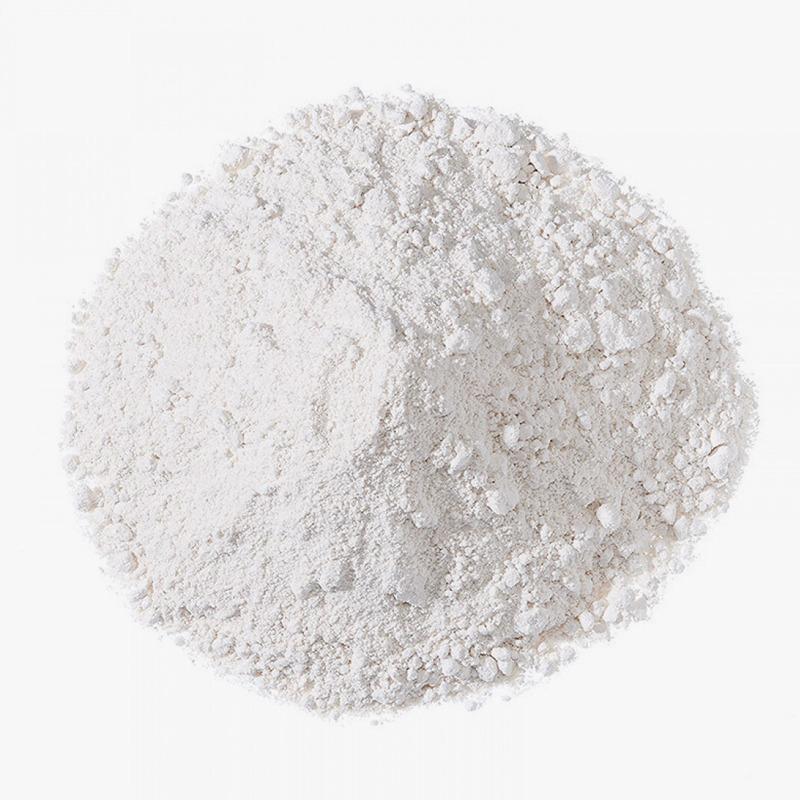
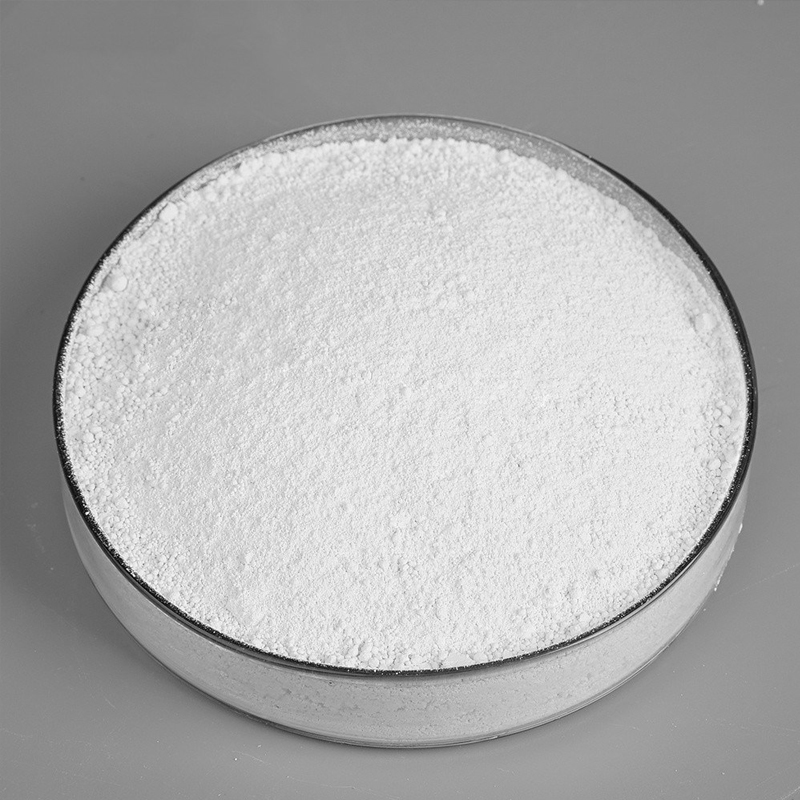
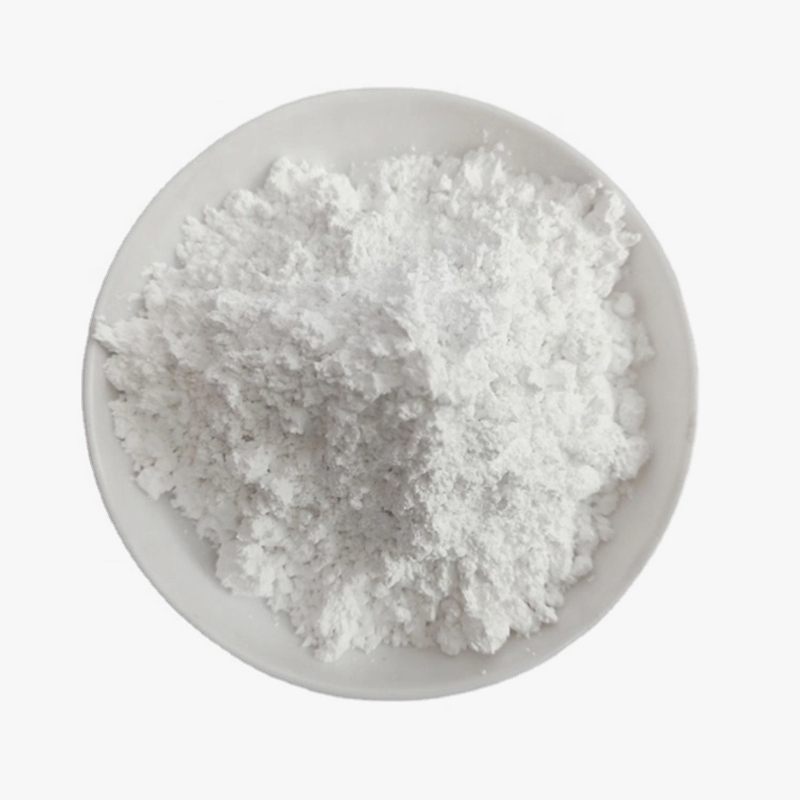
Zhejiang Yisheng New Material Co., Ltd. is a professional China HEC factory located in the Shangyu Economic and Technological Development Zone within the Hangzhou Bay National Industrial Park. With an annual production capacity of 15,000 tons of cellulose ether, Yisheng manufactures a complete range including HEC, HEMC, and HPMC for coatings, dry powder mortar, oil fields, cosmetics, personal care, and pharmaceutical applications. The company operates under a comprehensive quality management system with advanced testing infrastructure, ensuring consistent product specifications suitable for demanding global coating markets. Yisheng's core development principles of safety, environmental protection, and sustainable manufacturing are embedded into its production processes, supporting customers' green formulation initiatives and regulatory compliance requirements.
Global HEC Demand by End-Use Segment (Estimated Market Share, %)
Paints and coatings represent the single largest end-use segment for hydroxyethyl cellulose globally, accounting for approximately 38% of total HEC demand according to market research data published by Grand View Research (2023). Construction applications—including tile adhesives, grouts, and plasters—take second place at 28%, reflecting HEC's broad applicability across building material systems. The personal care segment's 18% share underscores HEC's versatility beyond industrial applications; it is widely used as a thickener and film former in shampoos, conditioners, and lotions. For suppliers like Yisheng with a complete cellulose ether product range, the ability to serve all these segments from a single production platform provides both scale economies and customer diversification.
Frequently Asked Questions
Q1. What is Hydroxyethyl Cellulose (HEC)?
Hydroxyethyl cellulose (HEC) is a non-ionic, water-soluble cellulose ether produced by reacting alkali cellulose with ethylene oxide. It dissolves in cold or warm water to form a clear, pseudoplastic solution widely used as a thickener, rheology modifier, and stabilizer in water-based paints, coatings, personal care products, and construction materials.
Q2. How much HEC should be added to paint?
Typical HEC dosage in latex or acrylic paint ranges from 0.15% to 0.8% by weight of the total formulation, depending on the viscosity grade and target Stormer KU value. Interior flat paints typically use 0.2–0.4% of a high-viscosity grade (100,000–200,000 mPa·s at 2%). Waterproof membranes and thick masonry coatings may require 0.5–1.0%.
Q3. Can HEC be used with acrylic emulsions?
Yes, HEC is fully compatible with acrylic emulsions across the pH range of 7–9 used in most acrylic coating systems. As a non-ionic polymer, HEC does not interact electrostatically with anionic or cationic acrylic latexes, making it a universally compatible thickener. It is regularly used in acrylic interior paints, exterior facade coatings, and acrylic waterproofing membranes.
Q4. How does HEC improve leveling in paint?
HEC improves leveling by providing a balanced shear-thinning rheology profile. At the very low shear rates present after brush or roller application, viscosity is high enough to prevent sagging but low enough to allow surface tension-driven flow that smooths brush marks and stipple. HEC also extends open time by 15–40%, giving the film longer to level before it gels.
Q5. HEC vs HPMC: Which is better for paint?
Both HEC and HPMC are cellulose ethers with similar core performance in water-based paint. HEC generally offers better electrolyte tolerance and compatibility with a wider pH range, making it preferred for coatings applied over cementitious or lime-containing substrates. HPMC's additional methyl substitution gives it slightly better hot-water solubility and can improve film formation in some systems. The right choice depends on specific substrate and formulation conditions.
Q6. Can HEC be customized for specific coating applications?
Yes. Professional HEC manufacturers offer multiple grades differentiated by molecular weight (viscosity), degree of hydroxyethyl substitution, particle size distribution, and surface treatment (standard vs. delayed-action dissolution). OEM HEC suppliers can also develop application-specific grades with targeted viscosity ranges, dissolution profiles, or granulation for particular production processes. Working directly with a manufacturer's technical team allows formulation optimization that off-the-shelf grades may not achieve.
Q7. Does HEC affect the final film's water resistance?
At typical use levels (0.2–0.5%), HEC has minimal impact on the water resistance of the dried paint film because it becomes distributed within the binder matrix at very low concentration. At higher loading (above 0.8%), some reduction in wet scrub resistance and water sensitivity has been observed. For high-water-resistance applications, pairing HEC with appropriate co-binders or crosslinkers mitigates any effect on film durability.
Q8. What is the shelf life of HEC powder and HEC solutions?
HEC powder in original sealed packaging has a shelf life of 24 months stored in cool, dry conditions below 30°C. Once dissolved in water, HEC solutions are susceptible to microbial degradation and should be used within 24–48 hours unless an appropriate preservative is added. In preserved paint formulations, HEC maintains its thickening function throughout the product's normal shelf life of 12–24 months.
 Email:
  Phone: +86-18069556875 / +86-575-82966958


